


Written by Sophia Boothby RD
There has been growing awareness around Attention Deficit Hyperactivity Disorder or ADHD in the past few years. Historically this has been seen as a diagnosis for children. However, there is a growing awareness around adult ADHD. Particularly with highly influential individuals speaking more about their diagnosis and the positive impact having a formal diagnosis has had on their lives. There are several theories in how ADHD increases the risk of an individual experiencing disordered eating. Let’s find out.
Contents
What is ADHD?
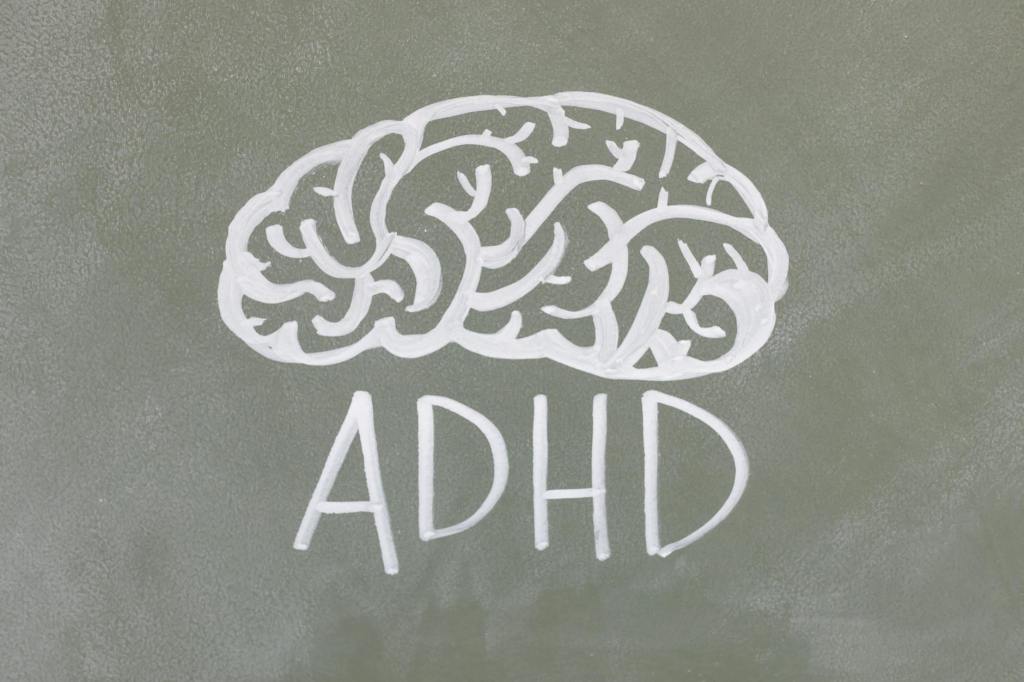
ADHD stands for Attention Deficit Hyperactivity Disorder is characterised by a lasting pattern of inattention with or without hyperactivity, that leads to daily disruption in executive functioning.
Symptoms can include restlessness, talkativeness, excess fidgeting, boredom, indecisiveness and procrastination. These can vary from person to person. The cause of ADHD remains unknown, although there is growing research surrounding genetic factors. A 2008 article explains that 75-90% of ADHD is caused by genetics factors.
Neurotransmitters including serotonin, dopamine and norepinephrine are largely involved in influencing ADHD symptoms such as cognition, memory processing, motor control and endocrine (hormone) regulation. Sex hormones can be known as the key to releasing these happy neurotransmitters.
These neurotransmitters are produced by the gut microbiota and influence the gut-brain axis (AKA the ‘second brain’). It describes the bidirectional relationship between the gut and the brain, and is responsible for cognitive functions such as mood. Often individuals with ADHD can also experience gut issues.
ADHD Medications
As per NHS guidelines there are 5 types of licensed medication for the treatment of ADHD split into stimulants and non-stimulants. Stimulants work by increasing levels of dopamine and norepinephrine in the brain, which can help with focus and concentration.
These are primary medications to help manage the symptoms associated with ADHD and are not intended to cure ADHD.
- Methylphenidate
- Lisdexamfetamine
- Dexamfetamine
- Atomoxetine
- Guanfacine
Common side effects of all the medications can impact mood negatively and decrease appetite. There are different versions of these medications from short acting medications or extended release medications. Usually it may take time to find your best dose for your symptoms and any side effects experienced.
How does ADHD impact our eating?
Often individuals considered to be in a ‘higher BMI’ can be advised as stated in NHS guidelines to lose 5-10% of weight as the primary treatment. This could be for clinical conditions such as PCOS and type 2 diabetes. Often individuals are given this blanket advice without guidance on implementing positive and sustainable lifestyle changes.
This can result in pursuing online sources for clearer guidance and finding unreliable sources that advise dietary restrictions that ‘promise’ symptom improvement.
A 2017 systematic review has suggested that ADHD is associated with disordered eating behaviours. More often seen with a person diagnosed with ‘Predominantly hyperactive-impulsive ADHD’ as with this type of ADHD people often struggle with impulsivity.
More specifically binge eating or overeating are common behaviours associated with this type of ADHD. This could also be explained from another key symptom of ADHD pf emotional dysregulation leading to addictive-like eating behaviour. Further studies are needed to determine how sleep deprivation can exacerbate emotional dysregulation and in turn, related to ADHD and disordered eating behaviours.
During a ‘binge’, these foods are usually high in fat and/or sugar, resulting in a satisfied feeling due to the activation of dopamine neurons in the reward system in the brain. This contributes to the cycle, as this increases insulin levels, which can interfere with sex hormones regulation, stimulating cortisol (stress) hormones. All of which can disrupt normal appetite signaling, followed by the perception that you need to restrict eating again and the cycle continues.
Key Takeaways
ADHD is a neurodevelopmental disorder and it can impact all areas of life. Often individuals will require to work on one area at a time as to not overwhelm their mind. There has been research focused on nutrition for our brains and we are aware of key food groups we need daily. With ADHD it may be a set weekly meal plan reminders are needed, safe spaces to eat regularly with minimal distractions, regular exercises for fun and tools to desensitise when needed.


 Eat For You Dietitian
Leave a reply to Matthew Brown Cancel reply