Eat For You Dietitian

Specialist Dietitian in Eating Disorders and Disordered Eating

HCPC Registered
  • 5 Tips on Nutrition For Exercise 

    How to fuel your training?


    Contents

    We often get told that we should eat X before exercise or not eat before a certain time before exercise. It can also vary depending on your level of activity and overall background. Read further here to help you understand what and when to eat when it comes to fueling for your workout that works for your body. 

    Eating before your workout

    Eating before your workout is important to ensure your body is prepared with sufficient energy and nutrition for the workout ahead. 

    The timing of when we should eat before workouts is often a big question. This can vary from person to person. These are some guidelines to consider:

    Before an early morning workout, you may be limited on time, so eating about 30 to 60 minutes before your workout, your meal or snack should include:

    • Preferably simple carbohydrates for fast-acting energy  
    • Contain little amounts of fat as this can slow down digestion 
    • Low in dietary fibre to prevent gut issues 

    For example a banana, a small glass of fruit juice or a handful of dried fruit. 

    If you have more time before your workout then you can aim for eating about 2 to 3 hours before your workout, your meal should include: 

    • A portion of starchy carbohydrates such as bread, rice, potatoes or pasta 
    • A portion of protein to support our muscles 
    • Sources of fat and dietary fibre to create an overall balanced meal. Fats are important to absorb specific fat-soluble vitamins including vitamin A, D, E, and K.  

    For example, porridge or high-fibre cereal with milk topped with mixed nuts and dried fruit or a pasta or rice dish with fish and vegetables. 

    Dietary fibre comes from plant-based foods like fruits and vegetables, nuts and seeds, beans and pulses, soya protein, wholegrains. There is growing evidence of the importance of diverse types of dietary fibre within my diet, with the suggestion of aiming for 30 different plant foods per week. If you are starting from a small amount of dietary fibre then begin increasing gradually to ensure your gut adjusts well. 

    During your workout 

    The majority of us won’t need to take on more nutrition during our workouts. You may have to do this to provide your body with more energy so that performance can be sustained. 

    Reasons you may need to fuel during your workout: 

    • Sessions that last longer than 1hour 30 minutes, or if at high intensity this could be at 1hour 
    • You haven’t been able to eat sufficient amounts before your workout 
    • You may be doing multiple workouts or training sessions in a day

    Eating after your workout 

    Following your workout you want to aim for a balanced dietary approach. There is limited evidence suggesting an intake of protein-rich foods within 30 minutes after a workout. A 2017 study has found that this time can be as wide as several hours after a workout, depending on what was eaten pre-workout. 

    Aim to have a meal or snack with carbohydrates, protein and fruits or vegetables (rich in vitamins and minerals). 

    Some examples of snacks include:

    • greek yoghurt topped with fruit and nut butter/handful of nuts
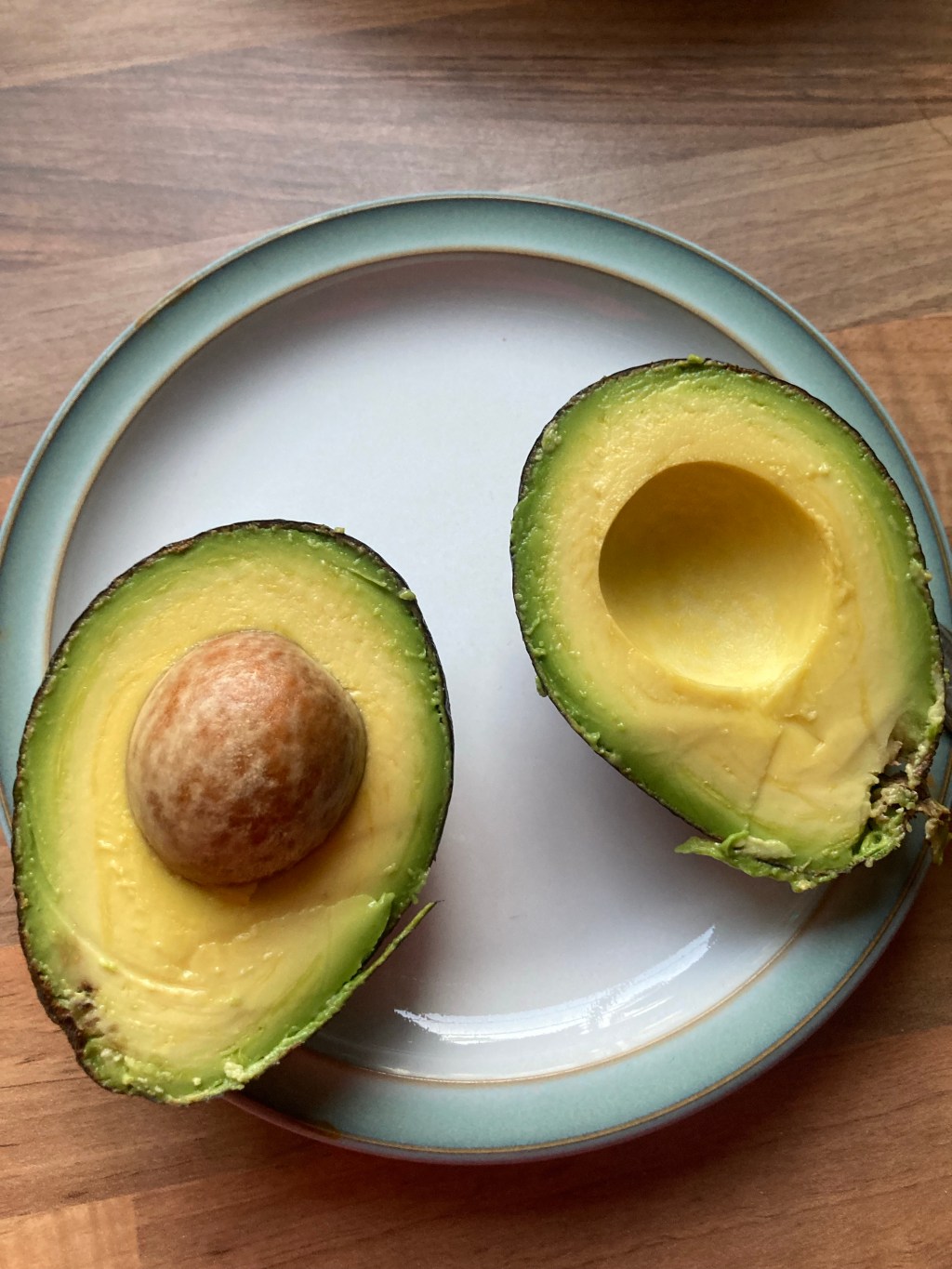
    • avocado on wholegrain toast with a sprinkle of seeds
    • a milky or yoghurt smoothie. 

    What about hydration and fluids? 

    We know it’s important to stay hydrated, especially before starting your workout, and throughout the day. Dehydration can impact overall physical and mental performance. 

    How do we know if you are hydrated enough? Often we may have feelings of poor concentration and symptoms include headaches. An easy way is to check the colour of your urine. We should aim for clear or pale-yellow coloured urine. 

    Other fluids such as tea, coffee and low-fat milk can also support hydration as per UK guidelines. Remember that caffeinated beverages can have a small dehydrating effect, however the amount of water consumed per cup means that your body does benefit. 

    Caffeinated drinks have been a key focus around sports performance. Caffeine tolerance does vary from person to person and some may not be able to tolerate caffeine at all. Caffeine can speed up gut motility which can lead to gut issues such as loose bowel motions.  

    A 2021 article has suggested that caffeine before a workout has been found to have performance benefits such as improving alertness and muscle endurance. To experience these benefits it is recommended to have between 3 to 6mg per kilogram of body weight at least 30 minutes before your workout. An average mug of instant coffee contains around 75mg of caffeine. According to the British Dietetic Association, the safe limit of caffeine for adults is 400mg per day.

    Key Takeaways 

    Overall I aim to encourage a balanced nutritional approach through a holistic and compassionate way. We don’t focus on grams of macronutrients or measuring your food for every mealtime. We focus on an overall understanding how we can nourish our bodies to be prepared for our workouts and recover optimally so we can thrive and not be consumed by following any restrictive diets or tracking numbers. 

  • 5 Ways to Better your Body Image 

    I’ve recently started a new Specialist Eating Disorders Dietitian role within an adult community service focusing on outpatients and day care treatment, primarily treating anorexia nervosa. Today I sat in one of the groups with the day care unit and one of the topics that came up was the ongoing ‘diet talk’ from family members going on around them at home. 

    The majority of the time we think of the things we wish we said in the moment to protect ourselves or what we will say next time. However, in that moment we stay silent. How can we use our voice and speak up? I’ll speak from my own experiences and from what I have learnt. 

    1. Family members asking for your weight or clothes size. Why? 

    My response: I don’t check my weight. I don’t think it’s relevant or important for me. 

    I choose clothes that fit me. It doesn’t matter what size it is as long as I feel comfortable. This could range from a size 10 to a size 14, or from small to an X-large. 

    1. If something makes you feel uncomfortable, try to find a suitable time to tell that person. 

    My response: I don’t like talking about restrictive diets. I like to focus on a balanced diet, including all foods. 

    In another context, I have asked different people to not ask me when I’m going to have a baby. Ever since I got married almost 2 years ago various people have found it a suitable question to ask this question. It did take me a few times in receiving this question until I could confidently confront this.

    My response now: My fertility plans are my business only so please don’t ask this question again. 

    1. Reframe our mindset. We may not be able to change people’s opinions or views, however, we can change how we react to them. 
    1. Begin with at least 3 positives about your body. 

    We are quick to focus on our dislikes or negatives about our body, especially when we are looking in the mirror. 

    For example, my arms allow me to hug my loved ones or my legs carry me around each day to have adventures. 

    1. Try body neutrality. Read more here.

    We don’t need to love our body to have a better body image. I choose body neutrality for me as I am now respecting my body and my health. This for me means food freedom and intuitive movement. I found being body positive was too much pressure for me, and body neutrality works better for me. 

  • 5 Dietitian Approved Tips for Constipation

    Constipation can be a distressing and uncomfortable problem that affects people of all ages. It’s caused by a variety of factors, including a lack of dietary fiber regularly, stress, our environment, poor hydration, and lack of movement. Many clinical conditions can exacerbate constipation, for example, diverticular disease and neurological conditions. 

    If you’re not sure if you have constipation:

    • You’re bowel motion are not at least 3 times per week 
    • Recent changes to the frequency of your bowel motion 
    • Often stool motions are dry, hard or lumpy (Type 1 or 2 on the Bristol Stool Chart
    • You are straining when trying to open your bowels or in pain 
    • You feel like you haven’t fully emptied your bowels 
    1. Dietary fiber is a type of carbohydrate that is not digestible by the body. Instead, it passes through the digestive system and adds bulk to the stool, helping it move through the intestines more easily. There are two types of fiber: soluble and insoluble. Soluble fiber dissolves in water and forms a gel-like substance in the intestines, while insoluble fiber does not dissolve in water and helps to add bulk to the stool.
    1. A controversial tip that can help some people is coffee. While drinking coffee may provide short-term relief for constipation due to its ability to stimulate the digestive system by making things move along a bit quicker, it is not a long-term solution for managing this condition. If you enjoy coffee, it is still important to combine coffee consumption with other positive habits, such as increasing dietary fiber intake, staying hydrated, and engaging in regular physical activity.
    1. Stretching can also help alleviate constipation by improving circulation, relieving tension, increasing mobility, and enhancing digestion. Some stretches that may be helpful for constipation include yoga poses like the seated forward bend, child’s pose, and the supine twist. For me, it can be a slow pilates or yoga class first thing in the morning which sets my day off in the right direction. Or I may just do 5 minutes in the evening of some light stretches, mainly targeting to ease my sciatica. 
    1. Deep breathing helps to relax the mind and body, which can aid in relieving stress and tension that can be affecting your gastrointestinal (GI) tract. When your GI tract is tense this can slow down how your stools are moving along. To practice deep breathing, find a quiet and comfortable place to sit or lie down. Breathe in slowly through your nose, filling your lungs with air, and then exhale slowly through your mouth. Repeat this process several times, focusing on the sensation of your breath. If you are aware of certain times your stress increases try to incorporate this practice around these times, for example, this could be before eating or even before you’re going to open your bowels. 
    1. Hydration is key! For everything else to be able to work it is so vital for you to be well hydrated consistently every day. Aim for at least 2.5litres of fluids daily (try to limit alcohol). If you struggle to remember to drink water, it may be starting with setting reminders on your phone, getting a water bottle and if you are having hot drinks try to have a glass of water as you’re waiting for the kettle to boil.

    Useful Resources 

    British Dietetic Association – IBS First Line Information Sheet

    NHS Website – Constipation 

  • Do I need to lose weight for PCOS?

    Affiliate links here for services from personal recommendations

    Does this story sound familiar to you? You have received a diagnosis of PCOS, possibly finally giving you the answer you have been searching for, and then the advice you have been given is to ‘lose weight’. Is that it? I have spoken to many individuals who have repeatedly been given this same advice by different healthcare professionals. Is it that simple? Surely there must be more information? Read on here. 

    Contents

    1. What is PCOS? 
    2. What hormones are involved? 
    3. What health considerations are there? 
    4. What to ask your GP? 
    5. Anything other options? 
    6. Dietary patterns for PCOS 
    7. Stress, sleep, lifestyle 
    8. Key Takeaways 

    What is PCOS? 

    PCOS or Polycystic Ovarian Syndrome is a complex endocrine or hormone condition impacting 1 in 10 women. Despite its name, it does not solely involve the ovaries. 

    PCOS is diagnosed using the Rotterdam Criteria 

    2 out of 3 of the below: 

    • Irregular or absent periods 
    • Evidence of ‘hyperandrogenism’, for example with excess facial or body hair. 
    • Polycystic ovaries, usually identified using an ultrasound scan of your ovaries

    What hormones are involved? 

    Common symptoms associated can be excess hair on face and body, weight gain or difficulty with weight loss, acne, fatigue, irregular periods, and fertility issues. Signs and symptoms of PCOS are not limited to these as every person is different. 

    PCOS is a hormone disorder, but what does this mean? It can be confusing to understand what all of our hormones are doing for us. 

    1. Testosterone is known as the “male hormone,” the ovaries usually produce very small amounts, but in PCOS, they make more. This can be referred to as hyperandrogenism. This can contribute to acne, increased hair growth, and sometimes hair loss from the scalp. 
    2. Oestrogen and progesterone  are hormones that are important for sexual and reproductive development. In PCOS these hormones can become imbalance. 
    3. Follicular stimulating hormone (FSH) to luteinising hormone (LH) are hormones that are important to encourage ovulation. In PCOS there are altered levels, therefore it can mean your body isn’t ovulating or releasing an egg every month. 
    4. Insulin is a hormone made by the pancreas which is needed to help us use glucose (sugar) from the food we eat to be used as energy. Insulin resistance is common in PCOS as your body can not recognise the amount of insulin already present in the blood, so will produce more than it needs. This can lead to hyperinsulinemia. 
    5. Cortisol is often recognised as the stress hormone. Altered cortisol levels can be found in PCOS, however this may be due to other stresses in relation to the condition, as opposed to the pathways within PCOS itself. 

    What health considerations are there? 

    The primary health considerations that are related to PCOS include an increased risk of type 2 diabetes, and gestational diabetes in pregnancy. This is due to the often consistent high levels of insulin in the blood in individuals with PCOS as a result of insulin resistance. 

    Secondly there is an increased risk of cardiovascular or heart disease, which is one of the biggest killers of women in the world. 

    What to ask your GP? 

    A 2017 study found that a third of almost 1400 women reported it taking over 2 years for a PCOS diagnosis. This does demonstrate that more awareness is required for healthcare professionals. Further guidelines on PCOS on the NHS website here. 

    If you are concerned regarding your increased risk of type 2 diabetes and/or heart disease at any age you can speak to your GP about this.

    There are key blood tests that can be requested for example HbA1c level which monitors the glucose (sugar) attached to your red blood cells that can give us an indication for the past 3 months. This blood test result can be used to diagnose type 2 diabetes. 

    Full lipid profile focuses on looking at your cholesterol levels and further splitting into the different types of cholesterol in the blood which can highlight any concerns around your heart health. 

    Anything other options? 

    There is no one size fits all. There is no one diet superior to others. 

    According to 2018 international guidelines for PCOS, dietary approaches recommended should be tailored according to the person’s food preferences and cultural norms. It also mentioned that we should avoid unnecessary restrictions. So can healthcare professionals stop recommending to cut out foods without justification. 

    There are limited long-term studies assessing the success and sustainability of weight loss strategies (even in the general population <10% maintain clinically meaningful weight loss). 

    Dietary patterns for PCOS 

    A 2021 study has highlighted that the mediterranean diet may be preferred for individuals with PCOS as it focuses on lots of fruits and vegetables, omega 3 rich fish, lean animal proteins, wholegrains, beans and legumes and healthy fats (nuts/avocado/seeds). 

    Often when we look towards making changes to our diet we focus on ‘what can’t I eat’ and we are focusing on the negative aspects. Instead can we focus on ‘what can I add to my diet’ to make a positive change. 

    For example, choose an extra portion of fruits or vegetables to include per day. Or adding a handful of mixed nuts to your yoghurt snack. 

    So we are looking away from the restrictive diet mindset and working towards including foods into our diet. 

    Stress, sleep, lifestyle 

    Alongside the food we eat, environmental factors can play a big part in PCOS. When you are stressed, your cortisol levels go up, it is thought to increase the levels of insulin and alter your oestrogen levels. 

    Where possible finding effective stress management techniques and improving sleep patterns can have a positive impact. It may be useful to refer to Talking Therapies

    Key Takeaways 

    Current evidence has demonstrated that being in a bigger body impacts health and emotional wellbeing, increased risk of weight stigma, negative body image, low self-esteem and mental health concerns. This can be exacerbated with a person with PCOS who is also in a bigger body as often they are given the ‘lose weight’ advice only. Whereas a person in a smaller body with PCOS may be treated differently. 

    I would highly recommend the PCOS for Professionals Online CPD course if you’re a Nutritionist, Dietitian or another allied healthcare professional interested in supporting people with PCOS in a compassionate way. I believe this has changed my clinical practice for the better. Link here. 

  • How to be Body Neutral? 

    How to be Body Neutral? 

    Do you remember the first time you remember being told X food was ‘bad’ for you and your body or the first time someone commented on your body and said something that you still remember to this day? I do, and it took years of going through disordered eating behaviours, hating my body but ultimately ending here. Read on if you’re interested.

    How did it start?

    I have a memory of when I was about 8 years old and I heard my aunt tell my mum I was fat. I was running around with my cousins at the time. I’m almost 31 years old and that memory is so clear to me. 

    Coming from a Latin American family, these types of comments are regularly told directly to you most of the time as well as family gossip of course. When I grew into my teenage years, I was praised for losing weight and being an acceptable body size according to my family. 

    This is when I started to learn to ignore my internal drivers to eat, and began losing trust in my body. It felt like it was me vs my body shape. Particularly being ethnically from South America, women are known for their ‘acceptable’ curves. Hands up if you remember the time we were led to believe that Jennifer Lopez and Shakira were curvy! We were fed lies! Firstly I aspire to have their energy at their age, not their body 

    No One Body is the same. 

    Your body does not equal your worth.

    My first blog post 3 years ago describing how I realised I was at peace with my body and I could describe my relationship with my body as 100% body neutral is here. 

    How does it continue? 

    Describing my relationship with my body as body neutral stands to this day but it comes with its obstacles. 

    Last year I got married and the amount of pressure I put on myself to fit into my wedding dress was not what I expected. I actually wrote about it here. I think a deeper dive into that experience pre-wedding is for another day. 

    Since I got married over a year ago now I have taken up a new hobby. Sewing and Dressmaking. Before you ask, no I’m not applying to be on the Great British Sewing Bee. 

    I would say in the last year I have sewn about 20 items of clothing ranging from dresses, skirts, shorts, co-ords sets, t-shirts. Barely anything with zips or buttons as I’m still a beginner dressmaker. What I didn’t think I would learn doing my hobby of dressmaking is realising that international women’s clothes sizing sucks! 

    Being able to make clothing to fit my body has made me feel empowered! Not to say that you have to make your own clothes to feel this. Other things that can be done are actually buying clothes that are comfortable. If it feels tight, buy the next size up. If it’s in your wardrobe and you hope to fit into it ‘one day’ it’s time to put it in the charity shop bag/vinted/depop/swap shop.

    I used to hate buying jeans but earlier this year I thought I needed a comfortable pair of jeans so I went for the next size up. Now I know every time I put them on I’m not going to feel restricted or tight in my stomach. I’m more confident. 

    Imagine every item in your wardrobe fits you comfortably. Let’s get to that point and you are one step closer to feeling body neutral. 

    In order for me to make a garment to fit my body shape, I have to measure my waist, hips, bust, high bust, under bust, legs, all of it. I could tell you my measurements but it wouldn’t really mean anything to you. Getting used to my reflection and taking my measurements has been a challenge. I’m usually in minimal clothing when I do this to take accurate measurements for items I want to make. I came up with an activity I had to do every time I do this. Give it a try. 

    Body Neutrality Challenge 

    This is my activity tip for you reading today:

    • Stand in front of a full length mirror and take a look at you 
    • Say something positive about your body 
    • It almost seems automatic to go to the negative aspects but stop yourself. 
    • Keep practising once a week 

    I promise it will become easier. 

    Body Neutrality
  • Non Diet Approach for Type 2 Diabetes

    Dietary management of Type 2 Diabetes through a Non-Diet Nutrition lens

    What if you were tired of trying to do ‘another diet’ for the pursuit of weight loss? You are tired of the weight loss clubs (not to name any specific ones). 

    Imagine if you didn’t have to count calories or macros or weigh your portion of cereal. I’ve been there before, weighing my 30g of shredded wheat in the morning. I wish I could go back and tell that person to stop it and there is another way. Finding freedom around food is possible, even whilst managing a chronic clinical condition. Let me tell you more. 

    What is Type 2 Diabetes? 

    Type 2 Diabetes is a chronic condition where your pancreas is having to work harder by producing more insulin than usual or the insulin it is producing is not as effective, known as insulin resistance. This impacts your body being able to get glucose out of the bloodstream to your cells where it is needed. 

    What is a Non-Diet Approach? 

    The non-diet approach honours and acts on our internal body cues, encouraging us to trust our bodies and to be mindful of external cues that may impact on how we choose to nourish our bodies. 

    Through a non-diet nutrition lense we avoid dieting behaviours such as weighing and measuring your food and your body. These include methods such as counting calories, using weighing scales and using diet-related foods. We also aim to remove any labels around food that can impact on our internal drivers to eat. 

    For example, ‘good’ or ‘bad’ foods, ‘treat’ or ‘cheat’ days. Our aim is to have a neutral approach towards all food and we are living with the unconditional permission to eat. 

    Stigma in Type 2 Diabetes Care

    A recent study in 2022 found that among over a thousand patients with type 2 diabetes, experiencing weight stigma in healthcare, and engaging in self-stigma for diabetes and body weight were each significantly associated with increased frequency of binge eating and eating as a coping strategy to deal with negative feelings. In addition to this found that weight stigma was also significantly associated with lower levels of physical activity and worse self-rated health.  

    Within my clinical practice I work with individuals diagnosed with type 2 diabetes at various stages of management. This means from newly diagnosed individuals managing type 2 diabetes for decades independently to those who have experienced severe complications, such as amputation due to infected diabetic foot ulcer. 

    One of the specialist areas I work in is within an amputation rehabilitation specialist team. Although there are many reasons an individual requires an amputation of a limb to save their life. One of the most common causes is through complications from type 2 diabetes such as diabetic foot ulcer. 

    A key example I have witnessed of weight stigma within my clinical practice is prosthetic limbs having a weight capacity of 145kg. When a patient has reached this weight or beyond the focus is on them to lose weight and led to believe that their total body weight is fully within their control. Whereas the evidence supports that this is not the case. 

    Why is ‘weight loss’ always advised? 

    Many complex and multifactorial clinical conditions are met with the recommendation to ‘lose weight’. Our healthcare system is based on a weight-centric approach, which assumes that a person’s weight is under individual control, and ultimately losing weight will result in better health outcomes. 

    The Body Mass Index or the BMI was developed in the mid 1800’s based on white European men. This was developed to only be appropriate for population studies.This was then adopted by insurance companies and hospitals in the 1970’s as a measurement of health status. It’s outstanding that this calculation is still being used today, however it is simple and it is cheap. 

    Practical Tips of Non-Diet Nutrition Approaches to managing Type 2 Diabetes 

    Often when introducing one of my patients to the Non-Diet nutrition approach to managing their type 2 diabetes the common response I’m met with is ‘I won’t stop eating carbohydrates then’. 

    Why do we only see 2 options for how we should eat? Either be ‘dieting’ or ‘eat everything with no control’. I reassure them that this will not be the case in the long term.  

    There are some practical tips to follow to support your type 2 diabetes condition through a non-diet lense: 

    1. You don’t need to choose ‘diabetic’ or ‘diet’ food products. These foods are not ‘better’ or ‘good for you. Let’s think of foods neutrally and focus. 
    2. If you have been in a cycle of skipping meals or going through long periods without eating. Begin by eating regular meals throughout the day. 
    3. Remember Carbohydrates are an important source of energy for our bodies and you need it too. If you’re unsure where to start, try making 1/4-1/3 of your plate a carbohydrate food, like rice, pasta, bread, potatoes with skin on, fruit or starchy vegetables.
    4. Choosing fibre rich foods will help keep our blood sugar levels steady. Fibre is found in a variety of foods, such as whole grains (eg. oats, brown rice, barley), fruit (particular ones with edible skin), potatoes, and other starchy vegetables, beans, vegetables, nuts and seeds. Maybe try something new once a week or once a month, whichever you feel most comfortable with. 
    5. Protein and fats should also be a part of our meal and snacks. Sources of fat include oils, nuts/seeds, nut butter, butter, avocado, and dairy are crucial to help us absorb certain vitamins, for example vitamin D. Sources of protein include eggs, cheese, meat, poultry, beans and pulses, fish, nuts and seeds are crucial for our bodies to repair and recover. 

    Key Takeaways 

    We eat food every day and some days our appetite changes, it’s something we have to do always no matter what happens. We can choose to eat to nourish our bodies and mind and not for the pursuit of losing weight. Some people believe that if they are not controlling what they eat, then they will have no control and eat everything. This is what we have been led to believe will happen. This is not the case when we work on building a positive relationship with food. If you are wanting to start today, begin with saying something positive about your body. When we respect our bodies we want to take care of them, so let’s start there.