


Dietary management of Type 2 Diabetes through a Non-Diet Nutrition lens
What if you were tired of trying to do ‘another diet’ for the pursuit of weight loss? You are tired of the weight loss clubs (not to name any specific ones).
Imagine if you didn’t have to count calories or macros or weigh your portion of cereal. I’ve been there before, weighing my 30g of shredded wheat in the morning. I wish I could go back and tell that person to stop it and there is another way. Finding freedom around food is possible, even whilst managing a chronic clinical condition. Let me tell you more.
What is Type 2 Diabetes?
Type 2 Diabetes is a chronic condition where your pancreas is having to work harder by producing more insulin than usual or the insulin it is producing is not as effective, known as insulin resistance. This impacts your body being able to get glucose out of the bloodstream to your cells where it is needed.
What is a Non-Diet Approach?
The non-diet approach honours and acts on our internal body cues, encouraging us to trust our bodies and to be mindful of external cues that may impact on how we choose to nourish our bodies.
Through a non-diet nutrition lense we avoid dieting behaviours such as weighing and measuring your food and your body. These include methods such as counting calories, using weighing scales and using diet-related foods. We also aim to remove any labels around food that can impact on our internal drivers to eat.
For example, ‘good’ or ‘bad’ foods, ‘treat’ or ‘cheat’ days. Our aim is to have a neutral approach towards all food and we are living with the unconditional permission to eat.
Stigma in Type 2 Diabetes Care
A recent study in 2022 found that among over a thousand patients with type 2 diabetes, experiencing weight stigma in healthcare, and engaging in self-stigma for diabetes and body weight were each significantly associated with increased frequency of binge eating and eating as a coping strategy to deal with negative feelings. In addition to this found that weight stigma was also significantly associated with lower levels of physical activity and worse self-rated health.
Within my clinical practice I work with individuals diagnosed with type 2 diabetes at various stages of management. This means from newly diagnosed individuals managing type 2 diabetes for decades independently to those who have experienced severe complications, such as amputation due to infected diabetic foot ulcer.
One of the specialist areas I work in is within an amputation rehabilitation specialist team. Although there are many reasons an individual requires an amputation of a limb to save their life. One of the most common causes is through complications from type 2 diabetes such as diabetic foot ulcer.
A key example I have witnessed of weight stigma within my clinical practice is prosthetic limbs having a weight capacity of 145kg. When a patient has reached this weight or beyond the focus is on them to lose weight and led to believe that their total body weight is fully within their control. Whereas the evidence supports that this is not the case.
Why is ‘weight loss’ always advised?
Many complex and multifactorial clinical conditions are met with the recommendation to ‘lose weight’. Our healthcare system is based on a weight-centric approach, which assumes that a person’s weight is under individual control, and ultimately losing weight will result in better health outcomes.
The Body Mass Index or the BMI was developed in the mid 1800’s based on white European men. This was developed to only be appropriate for population studies.This was then adopted by insurance companies and hospitals in the 1970’s as a measurement of health status. It’s outstanding that this calculation is still being used today, however it is simple and it is cheap.
Practical Tips of Non-Diet Nutrition Approaches to managing Type 2 Diabetes
Often when introducing one of my patients to the Non-Diet nutrition approach to managing their type 2 diabetes the common response I’m met with is ‘I won’t stop eating carbohydrates then’.
Why do we only see 2 options for how we should eat? Either be ‘dieting’ or ‘eat everything with no control’. I reassure them that this will not be the case in the long term.
There are some practical tips to follow to support your type 2 diabetes condition through a non-diet lense:
- You don’t need to choose ‘diabetic’ or ‘diet’ food products. These foods are not ‘better’ or ‘good for you. Let’s think of foods neutrally and focus.
- If you have been in a cycle of skipping meals or going through long periods without eating. Begin by eating regular meals throughout the day.
- Remember Carbohydrates are an important source of energy for our bodies and you need it too. If you’re unsure where to start, try making 1/4-1/3 of your plate a carbohydrate food, like rice, pasta, bread, potatoes with skin on, fruit or starchy vegetables.
- Choosing fibre rich foods will help keep our blood sugar levels steady. Fibre is found in a variety of foods, such as whole grains (eg. oats, brown rice, barley), fruit (particular ones with edible skin), potatoes, and other starchy vegetables, beans, vegetables, nuts and seeds. Maybe try something new once a week or once a month, whichever you feel most comfortable with.
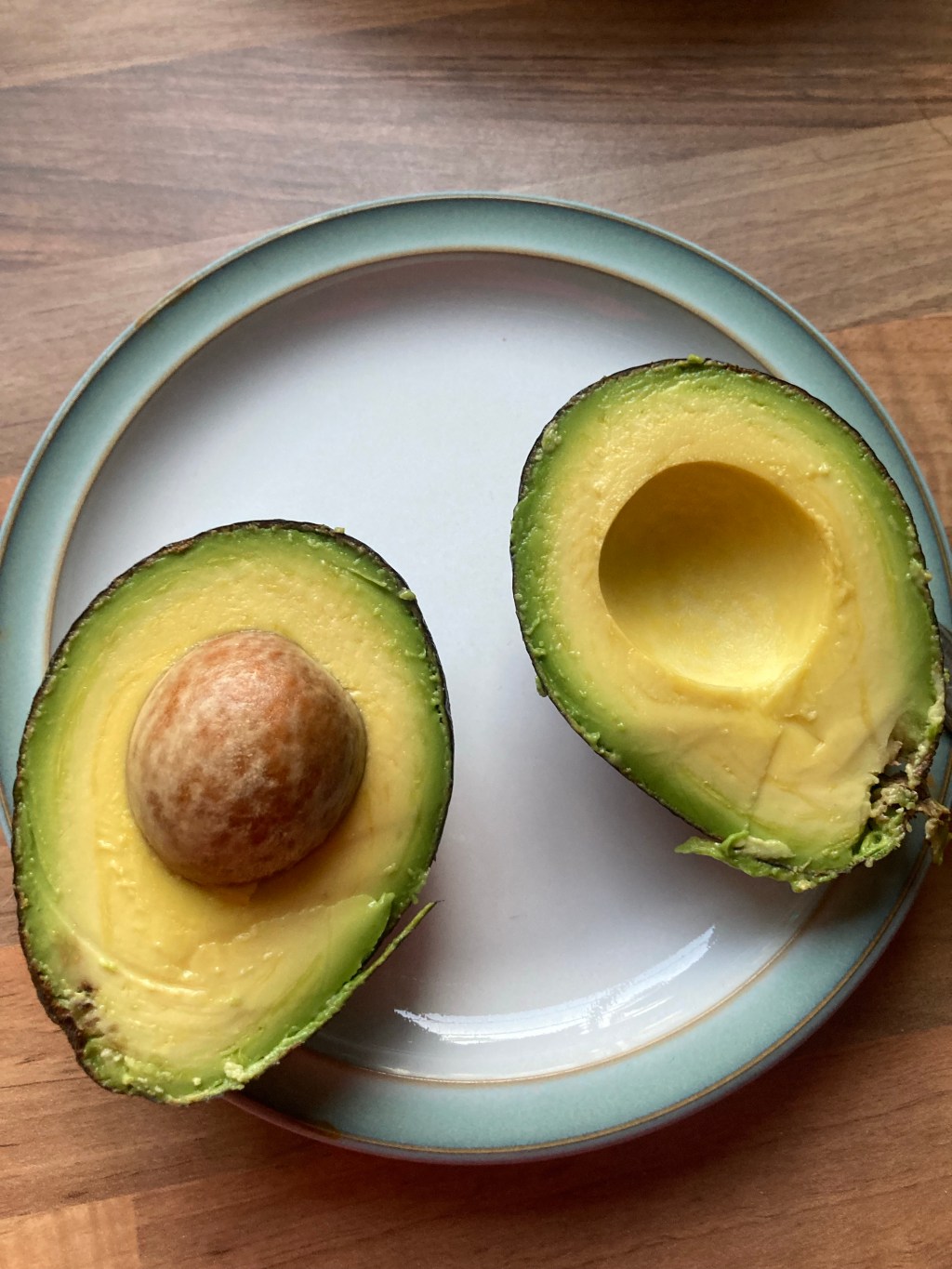
- Protein and fats should also be a part of our meal and snacks. Sources of fat include oils, nuts/seeds, nut butter, butter, avocado, and dairy are crucial to help us absorb certain vitamins, for example vitamin D. Sources of protein include eggs, cheese, meat, poultry, beans and pulses, fish, nuts and seeds are crucial for our bodies to repair and recover.
Key Takeaways
We eat food every day and some days our appetite changes, it’s something we have to do always no matter what happens. We can choose to eat to nourish our bodies and mind and not for the pursuit of losing weight. Some people believe that if they are not controlling what they eat, then they will have no control and eat everything. This is what we have been led to believe will happen. This is not the case when we work on building a positive relationship with food. If you are wanting to start today, begin with saying something positive about your body. When we respect our bodies we want to take care of them, so let’s start there.
 Eat For You Dietitian
Leave a comment